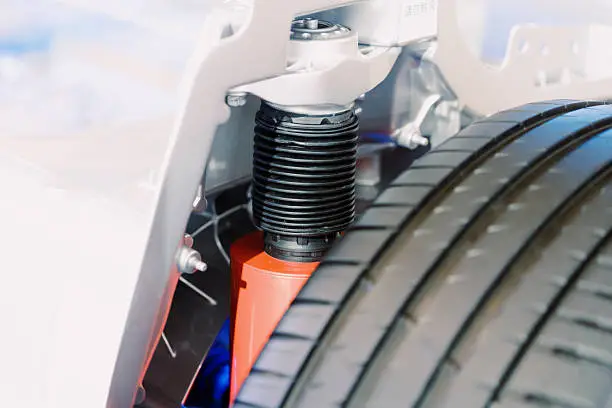

When people think about vehicle performance, they often focus on engines, transmissions, or braking systems. However, one of the most important yet overlooked components is the suspension system. It determines how smoothly a car travels over uneven roads, how well it handles corners, and how effectively it maintains tire contact with the ground. Without a properly functioning suspension, driving would be uncomfortable, unstable, and potentially unsafe. Understanding the fundamentals of suspension systems helps drivers appreciate their importance and maintain their vehicles more effectively.
The Purpose of a Suspension System
The suspension system connects a vehicle’s wheels to its body while absorbing shocks from road irregularities. Its main purpose is to maintain stability and ensure passenger comfort. By minimizing vibrations and impacts, suspension components protect both the vehicle structure and occupants from excessive jolts. Additionally, the system ensures consistent tire contact with the road surface, improving steering control, braking effectiveness, and overall safety.
A well-designed suspension strikes a balance between comfort and performance. Too soft a system may produce a smooth ride but reduce handling precision, while an overly stiff setup might enhance control at the expense of comfort. Engineers carefully design suspensions to meet specific vehicle requirements, whether for family sedans, sports cars, or off-road vehicles.
Key Components of a Suspension System
Several components work together to achieve desired performance:
- Springs: Support vehicle weight and absorb road shocks
- Shock Absorbers (Dampers): Control spring movement and reduce bouncing
- Struts: Combine structural support and damping functions
- Control Arms: Connect wheels to the frame and guide motion
- Anti-roll Bars: Reduce body lean during turns
Each element contributes to stability and ride quality. If one component fails, the entire system’s effectiveness may decline, highlighting the importance of routine inspection.
Types of Suspension Systems
Suspension designs vary based on vehicle purpose and engineering priorities:
Independent Suspension:
Allows each wheel to move separately, improving ride comfort and handling. Commonly used in modern passenger vehicles due to superior stability and responsiveness.
Dependent Suspension:
Connects wheels on the same axle, meaning movement of one affects the other. While less refined in comfort, it offers durability and load-bearing capability, making it suitable for heavy-duty vehicles.
MacPherson Strut Suspension:
A popular compact design combining shock absorbers and springs into a single unit. It is cost-effective and widely used in front-wheel suspensions.
Multi-link Suspension:
Utilizes multiple arms to provide precise control over wheel movement. Found in higher-end vehicles, it offers excellent balance between comfort and performance.
The Role of Shock Absorbers
Shock absorbers play a crucial role in controlling the motion of springs. Without them, vehicles would continue bouncing after hitting bumps. Dampers convert motion into heat energy, stabilizing the vehicle quickly. Their performance directly influences ride smoothness and steering response, making them essential for safe driving.
Suspension and Vehicle Handling
Beyond comfort, suspension systems significantly impact handling. By maintaining tire contact with the road, they ensure consistent traction during acceleration, braking, and cornering. Advanced designs enhance stability, reduce body roll, and provide predictable steering response. Drivers often notice improved confidence and control when suspension components function properly.
Technological Innovations in Suspension Design
Modern vehicles increasingly incorporate advanced suspension technologies. Adaptive systems automatically adjust damping based on road conditions or driving style. Air suspension allows ride height adjustment, improving comfort or ground clearance as needed. Electronically controlled systems provide real-time responses to enhance both comfort and performance. These innovations reflect ongoing efforts to integrate technology with mechanical engineering.
The Importance of Regular Maintenance
Maintaining suspension health ensures safety and driving comfort. Key practices include:
- Inspecting shocks and struts for leaks or wear
- Checking alignment and balance
- Monitoring unusual vibrations or noises
- Replacing worn bushings or springs
Ignoring suspension issues can lead to uneven tire wear, reduced control, and uncomfortable rides. Proactive maintenance protects vehicle longevity and driver safety.
Driving Habits and Suspension Longevity
Driver behavior influences suspension lifespan. Avoiding potholes, reducing speed on rough roads, and maintaining proper tire pressure help minimize stress on components. Understanding how daily habits affect wear encourages responsible driving practices that preserve vehicle integrity.
Suspension’s Contribution to Overall Safety
A reliable suspension system enhances braking performance, steering accuracy, and road grip. These factors collectively improve safety, particularly during emergency maneuvers. By ensuring consistent tire contact, the system supports other vehicle functions and contributes to accident prevention.
Future Developments in Suspension Technology
Automotive engineers continue exploring smarter suspension solutions. Integration with sensors, artificial intelligence, and predictive systems may allow vehicles to anticipate road conditions and adjust settings proactively. Such innovations aim to provide unparalleled comfort, control, and safety, reflecting the ongoing evolution of automotive technology.
Conclusion
Suspension systems are essential for delivering comfort, stability, and safe handling. By absorbing road shocks and maintaining tire contact, they ensure smooth travel and reliable control. From traditional mechanical designs to advanced adaptive technologies, suspensions continue to evolve alongside automotive innovation. Understanding their purpose and maintenance needs empowers drivers to protect their vehicles, enhance performance, and enjoy a safer, more comfortable driving experience.