
Modern automobiles are no longer purely mechanical machines. Over the past few decades, vehicles have evolved into highly sophisticated systems powered by electronics and advanced electrical networks. From starting the engine to operating safety features, lighting, climate control, and entertainment systems, electricity plays a central role in vehicle functionality. Understanding automotive electrical systems helps drivers appreciate how modern cars operate and why proper maintenance is essential for reliability and safety.
The Purpose of Automotive Electrical Systems
The electrical system in a car is responsible for generating, storing, and distributing electrical power. Its primary role is to ensure that all electronic and electrical components function correctly. Unlike mechanical systems that rely on physical movement, electrical systems operate through circuits, sensors, and control units. These systems enhance vehicle performance, improve safety, and provide comfort and convenience to drivers and passengers.
Without a reliable electrical system, modern vehicles would fail to operate efficiently. Even basic functions such as engine ignition and fuel delivery depend on electrical signals, highlighting the system’s importance.
Main Components of a Car Electrical System
Automotive electrical systems consist of several key components that work together:
- Battery: Stores electrical energy and provides power during engine startup
- Alternator: Generates electricity while the engine is running and recharges the battery
- Starter Motor: Cranks the engine during ignition
- Wiring and Fuses: Distribute and protect electrical circuits
- Electronic Control Units (ECUs): Manage and regulate vehicle functions
Each component plays a specific role, and failure in any part can affect overall vehicle performance.
The Role of the Battery
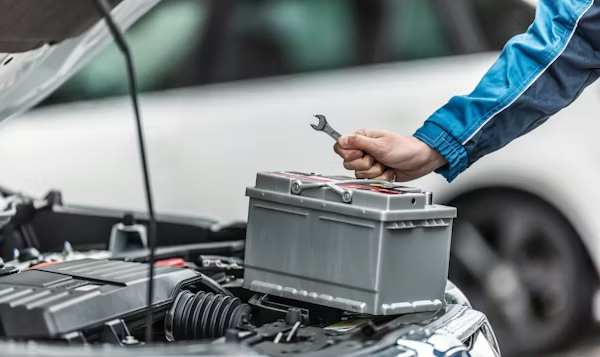
The battery is the foundation of the electrical system. It provides the initial power required to start the engine and supports electrical components when the engine is off. Most vehicles use lead-acid batteries due to their reliability and affordability. Over time, batteries degrade because of temperature changes and repeated charge cycles. Regular inspection, proper charging, and timely replacement are essential to prevent starting issues and electrical malfunctions.
The Alternator and Power Generation
Once the engine is running, the alternator takes over as the primary power source. It converts mechanical energy from the engine into electrical energy, supplying power to vehicle systems and recharging the battery. A malfunctioning alternator can cause dim lights, warning indicators, or complete electrical failure. Understanding its function emphasizes the importance of early diagnosis and repair.
Wiring, Fuses, and Circuit Protection
Electrical energy travels through wiring harnesses that connect components throughout the vehicle. Fuses and relays protect circuits by preventing overloads and short circuits. These safety devices are critical for preventing electrical fires and damage. Regular inspection of wiring and fuse boxes helps ensure system integrity, especially in older vehicles or harsh environments.
Electronic Control Units and Sensors
Modern vehicles rely heavily on electronic control units to manage operations such as engine performance, braking systems, climate control, and safety features. Sensors continuously collect data related to speed, temperature, pressure, and position. ECUs analyze this data and make real-time adjustments to optimize performance and efficiency. This integration of electronics has significantly improved vehicle reliability and adaptability.
Electrical Systems and Vehicle Safety
Safety technologies depend heavily on electrical systems. Features such as airbags, anti-lock braking systems, stability control, and collision warning systems rely on sensors and electronic controls. A fault in the electrical system can compromise these safety features, emphasizing the need for proper diagnostics and maintenance.
Lighting systems also contribute to safety by ensuring visibility and communication with other drivers. Advanced lighting technologies enhance illumination while reducing energy consumption.
Comfort and Convenience Features
Electrical systems enable modern comfort features that enhance the driving experience. Climate control systems regulate cabin temperature, infotainment units provide navigation and entertainment, and power accessories offer convenience. These features rely on stable electrical supply and precise control, demonstrating how electricity enhances everyday driving comfort.
Maintenance and Troubleshooting
Proper maintenance of electrical systems prevents breakdowns and costly repairs. Essential practices include:
- Checking battery health and terminals
- Monitoring warning lights and dashboard alerts
- Inspecting wiring for damage or corrosion
- Using diagnostic tools to identify faults
Addressing electrical issues early helps maintain system reliability and prevents cascading failures that affect multiple components.
The Impact of Electrification
As the automotive industry moves toward electrification, electrical systems are becoming even more important. Hybrid and electric vehicles rely almost entirely on electrical power for propulsion. High-voltage systems, advanced batteries, and sophisticated control units represent the future of transportation. Understanding basic electrical principles prepares drivers for this transition and highlights the growing role of electronics in automotive design.
Challenges in Automotive Electrical Systems
Despite their advantages, electrical systems introduce complexity. Diagnosing faults often requires specialized tools and expertise. Environmental factors such as heat, moisture, and vibration can affect electrical components. Manufacturers continuously improve designs to enhance durability and reliability, addressing these challenges through innovation.
The Future of Automotive Electrical Technology
Future vehicles will feature smarter, more integrated electrical systems. Artificial intelligence, automation, and connectivity will further increase reliance on electronics. Predictive diagnostics, over-the-air updates, and advanced driver assistance systems represent the next phase of automotive evolution. These developments promise safer, more efficient, and more personalized driving experiences.
Conclusion
Electrical systems are the backbone of modern automobiles, powering essential functions that define today’s driving experience. From engine ignition to advanced safety and comfort features, electricity enables performance, reliability, and innovation. Understanding how these systems work and maintaining them properly ensures long-term vehicle health and safety. As the automotive industry continues to evolve toward electrification and automation, the importance of electrical systems will only continue to grow.